

Who We Are by Murray Sinclair
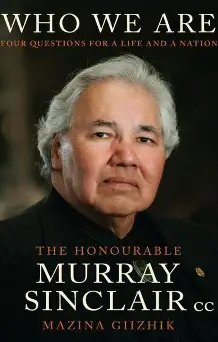
I was drawn to the book partially by Sinclair’s approach of using a traditional teaching to structure his story. It was very readable, an oral style. Very much like listening to an Elder.
I was fascinated by his thinking about the process, his reasoning for the decisions the Truth & Reconciliation Commission made. I’m hesitant to call anyone a great man. Murray Sinclair certainly carried heavy burdens in his life and work, and did Indigenous people and Canadians a great service. I enjoyed meeting him once, and I highly recommend this book.
The Race to the Future by Kassia St Clair
I was intrigued enough to read it just by the madness of the journey they undertook, from Peking to Paris in early 20th-century cars. But what I loved most was the history of the transformation from horses (and streetcars and trains and electric vehicles) to cars. The race was part of the push (marketing) of what remains a terrible (consumptive, addictive, polluting, dangerous, unreliable) technology.
There was also the pull, our romanticism (the same that drew me to read this book) for the “freedom” of the road. We really should kick our habit for these things.
Humankind: A Hopeful History by Rutger Bergman
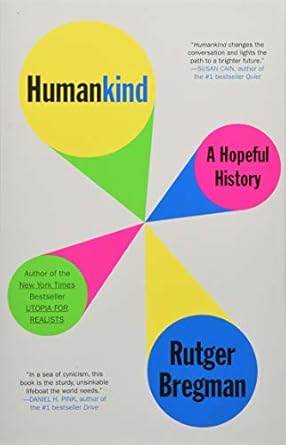
The more positive of my two most impactful reads of the year. This is one of the best nonfiction books I’ve read in quite a while. It affirms (with scientific research) many things I’ve felt or believed. More importantly, it flips the script on that highly annoying (and harmful) quip, “just human nature,” when people are shitty. We have tremendous capacity for good but are far too often railroaded by a cynical perspective, prevalent among the most powerful. But stories also have great power. Bregman narrates a different possible world. Much needed. Highly recommended for anyone craving smart positivity.
Devouring Tomorrow edited by AG Pasquella and Jeff Dupuis
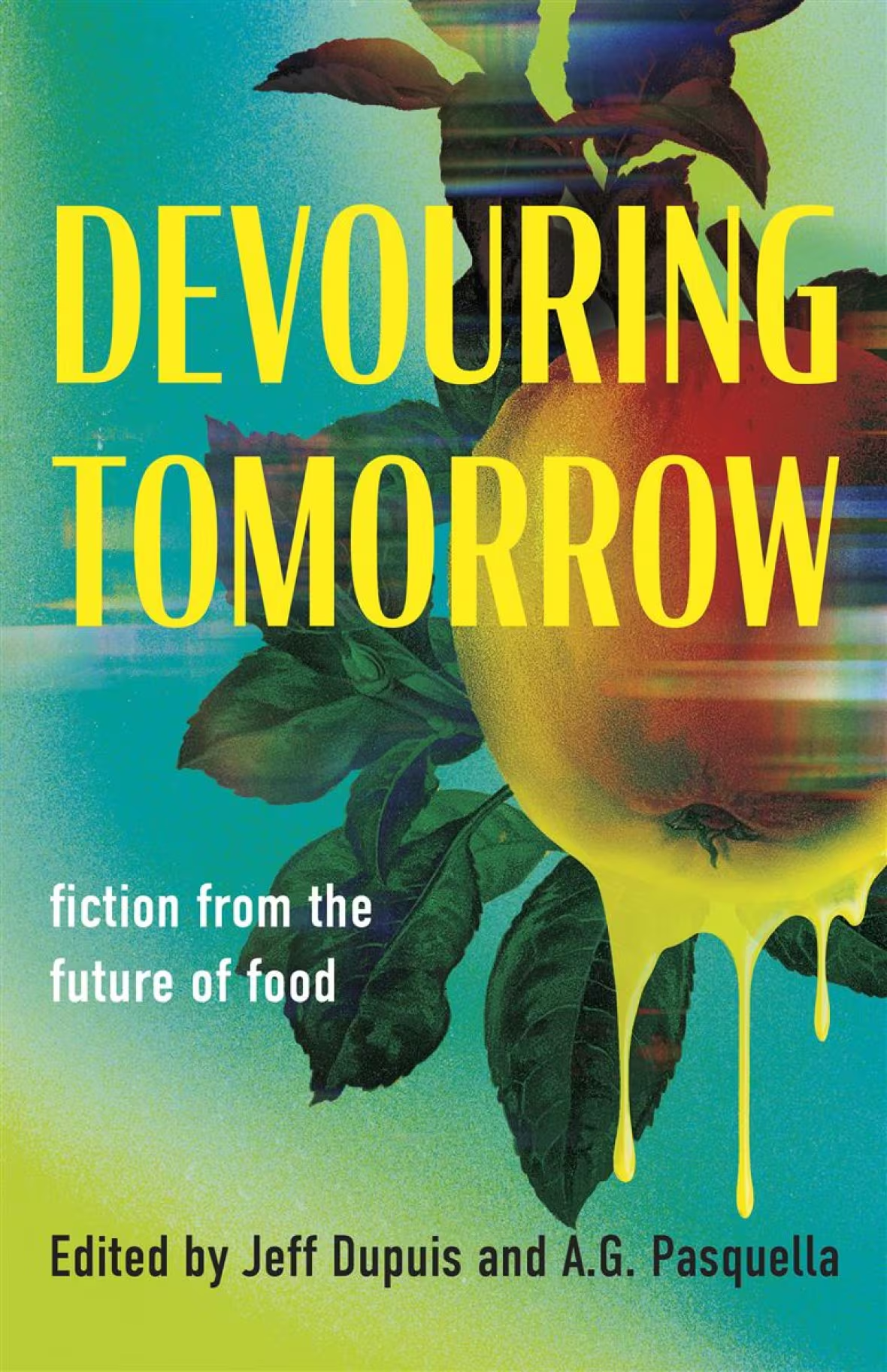
I have a story called “Food Fight” in this, so … 2 thumbs way up. A smart and engaging clifi collection. How will we feed ourselves as the chaos of our altered climate intensifies? The imagined answers are often bleak. Cannibalism is a frequent trope I hadn’t anticipated when I got the assignment. But humour survives. My very favourites were “I Want Candy” by Dina Del Bucchia (written entirely in the form of online reviews) and “Novel Suggestions for Social Occasions” by Ji Hong Sayo (kind of a Jane Austen meets Louis L’Amour, brilliantly juxtapositioning ultraviolence with etiquette obsession).
Sterling Silver by Silver Donald Cameron
Silver Donald Cameron’s exuberance for life in Cape Breton vibrates in these essays. His observations from the 70s and 80s were ahead of their time and insightful into the human condition. These are funny and heartwarming and a joy to read. He died of cancer in 2020, but I wish I could chat with him about these events and writing and publishing about them as a newcomer to his chosen community.
End Times by Peter Turchin***
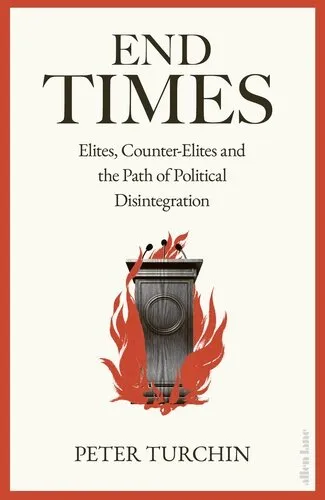
The more pessimistic of my two most impactful reads last year. Very interesting analysis of rise-and-fall patterns (cycles) of (mostly rich-world) civilizations and what they could mean for the highly unstable current empire of the USA. Helped me better understand recent election results in that country. Could have given Obama more credit for his efforts to reduce “popular immiseration” (i.e. general decline in quality of life). Also would have appreciated some acknowledgement of the global (not just within one country) haves v have-nots. For every immigrant destination there is a home country, a situation better left behind, a society struggling with its own class struggles. But Turchin has contributed an important perspective on history and societies.
Gimpel the Fool and Other Stories by Isaac Bashevis Singer
Draws on myth and folk-story for its style and fantastical twists and turns, and demon tricks. But also on realities of the early 20th century as a source of allegory for the ill fates of humanity, Jews in particular. A Nobel literature winner, a true master of the short story. Stuff you can read late into the night. Never predictable and always satisfying.
The Hundred Years War in Palestine by Rashid Khalidi
Impressive balanced analysis but from a Palestinian-American perspective. Critical of all the players, perhaps especially America, with a deep longing for peace and practical advice for Palestinian activists: focus on the PR battle in America and the international community. After reading this I feel considerably less ignorant about the history of the region.
Boom Road by Shawn Lawlor
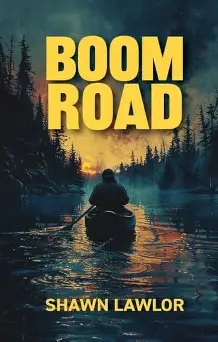
Working-class characters that very much feel like my friends and family growing up. They were well constructed. I particularly liked that the main protagonist traversed the river by canoe and on skates–a great way to show the reader the place at a slower pace. Really enjoyable read, fully immersive.
Tales from Firozsha Baag by Rohinton Mistry
I’ve become quite a fan of Rohinton Mistry. This collection of short stories about residents of an apartment building in Bombay is funny, observant and rich in character and complexity. He creates a layered, chaotic world, in a specific time and place.
Fela: Music is the Weapon by Jiba Fagbamiye and Conor McCreery
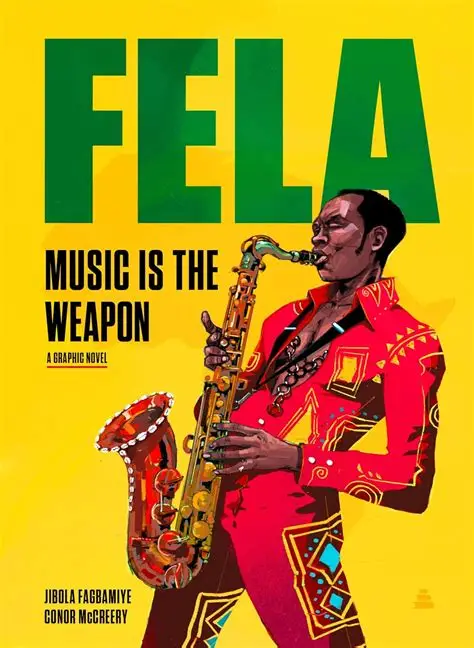
Very proud of my friend, Conor McCreery, for co-creating this beautiful and brilliant book. His best work to date brings us the life story, with its many twists, turns and escalations, of a gifted musical artist, truth-speaking activist, powerhouse human and complicated man, Fela Kuti aka Anikulapo. The art is gorgeous and the narration and dialogue scrupulously sprinkled to bring out key moments as well as the man’s elaborate and evolving political, philosophical, musical and spiritual views. “The man with death in his pouch” comes very much alive in these pages. The book is as much a tale of Nigeria in the 70s and early 80s, and as much about pan-Africanism, anti-colonial, communal dedication, and the village surrounding the man, as it is about the man himself.